
EXPLORE INDIA'S TREASURES WITH EASE

Delhi Heritage Walking Tour: What to Explore

Delhi is a city where centuries of history meet everyday life. Behind its busy roads, colourful markets and modern buildings are fascinating stories of emperors, historic neighbourhoods, religious traditions and beautiful architecture. One of the best ways to discover this heritage is by taking a Delhi heritage walking tour.

Walking through Delhi allows you to experience the city at a slower pace. You can explore narrow streets, admire historic buildings, visit important religious places, discover traditional markets and learn stories that you might otherwise miss while travelling by car.

Whether you are visiting India for the first time, interested in Mughal history or simply want to experience the cultural heart of the capital, a heritage walk in Delhi can make your trip more meaningful.

In this guide, we explore the best places to visit, what you can experience during a walking tour, and some practical tips to help you plan your visit.

Why Take a Delhi Heritage Walking Tour?

Delhi has been shaped by several dynasties, rulers and communities. Each period has left its mark on the city's architecture, food, traditions and neighbourhoods.
A walking tour helps you understand this history beyond what you see in guidebooks. Instead of simply visiting monuments, you can explore the streets where people live and work, discover traditional businesses and understand how different communities have contributed to Delhi's identity.
Here are some reasons to include a heritage walk in your Delhi itinerary:

  • Discover historical landmarks: Explore monuments, temples, mosques, gurudwaras and historic buildings.

  • Understand Delhi's history: Learn about the Mughal period, Shahjahanabad and the development of Old Delhi.

  • Experience local culture: See traditional markets, local shops and everyday life.

  • Taste authentic local food: Discover the flavours of Old Delhi and its famous food streets.

  • Enjoy photography opportunities: Capture historic architecture, colourful bazaars and street scenes.

  • Explore hidden places: Discover old havelis, narrow lanes and architectural details that are easy to overlook.
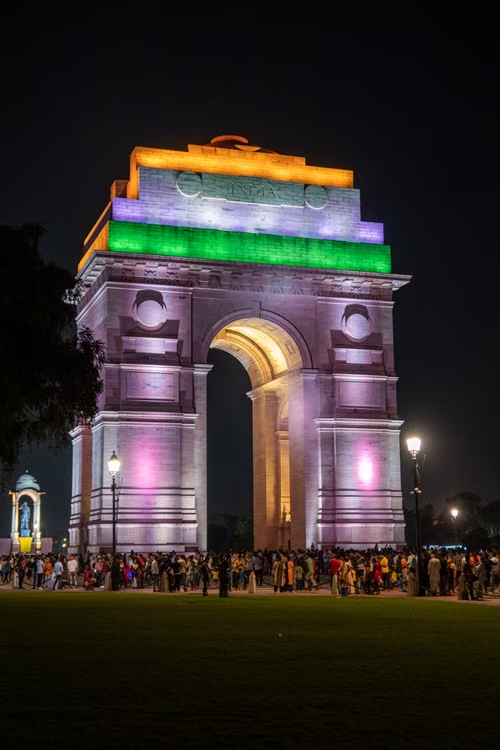
Explore the Historic Streets of Old Delhi

Old Delhi, historically known as Shahjahanabad, is one of the most fascinating areas to explore on foot.
The walled city was established by Mughal Emperor Shah Jahan in the 17th century when he shifted his capital to Delhi. Today, its streets preserve a unique combination of historic architecture, religious landmarks, traditional markets and local culture.
Begin your walk around the historic streets near the Red Fort and continue towards Chandni Chowk. As you explore the area, you will find old buildings, traditional shops, busy market lanes and important religious sites.
The charm of Old Delhi is not limited to its monuments. It is also found in its people, food, traditions and everyday activities.

What to explore:

  • Historic streets of Shahjahanabad
  • Traditional markets and bazaars
  • Old havelis and architectural details
  • Religious landmarks representing different communities
  • Local food shops and traditional businesses

Walk Through the Colourful Lanes of Chandni Chowk

No Old Delhi walking tour is complete without exploring Chandni Chowk.
One of the city's most famous historic markets, Chandni Chowk was developed as part of Shahjahanabad. Its busy lanes are filled with shops, food stalls, traditional businesses and historic buildings.
As you walk through the market, you will discover different sections known for jewellery, textiles, spices, wedding accessories, books and traditional Indian products.
Some interesting areas to explore include:

  • Dariba Kalan: Known for its traditional jewellery shops.
  • Kinari Bazaar: Famous for decorative borders, wedding accessories and embellishments.
  • Khari Baoli: A historic market known for spices and dry fruits.
  • Paranthe Wali Gali: A popular food lane associated with traditional stuffed parathas.
    The market can be crowded, but that is part of its character. Walking through its narrow streets gives you a closer look at the commercial and cultural life of Old Delhi.

Discover the Beauty of Jama Masjid

Jama Masjid is one of the most impressive historical religious landmarks in Old Delhi. Commissioned by Shah Jahan, the mosque is known for its grand courtyard, imposing gateways, elegant domes and tall minarets.

The mosque offers an opportunity to appreciate Mughal architecture while understanding the religious and cultural history of the neighbourhood.

Take time to notice the architectural details and the atmosphere around the mosque. Its surrounding streets also provide an interesting glimpse into the daily life of Old Delhi.

Travel tip: Dress respectfully, follow the mosque's visitor rules and check access arrangements before entering. Prayer times may affect visitor access.

Visit the Magnificent Red Fort

The Red Fort (Lal Qila) is one of Delhi's most recognised historical landmarks. Built during the reign of Shah Jahan, it served as the main residence of Mughal emperors for many years.
Its impressive red sandstone walls, grand gateways and historic structures reflect the architectural ambitions of the Mughal period.
Even if you do not enter the monument, viewing the Red Fort from outside provides a wonderful introduction to Old Delhi's history. If you have enough time, explore the monument's interior and learn about its royal buildings, courtyards and historical importance.
The Red Fort is also a UNESCO World Heritage Site and remains an important symbol of India's history.
Travel tip: Check the latest visiting hours, entry arrangements and ticket information before your visit.

Discover Old Havelis and Traditional Architecture

Old Delhi is famous for its historic havelis, traditional houses and architectural details.

A haveli is a traditional residential building, often designed around an internal courtyard. Many historic havelis once belonged to wealthy merchants, influential families and important residents of Shahjahanabad.

As you explore the neighbourhood, look for carved wooden doors, decorated balconies, traditional courtyards and old façades.

Some havelis have been adapted for modern use, while others retain traces of their original character.

A knowledgeable local guide can help you understand the stories behind these buildings and explain how residential life in Old Delhi has changed over time.

Enjoy the Traditional Food of Old Delhi

Food is an important part of the Old Delhi experience.
The neighbourhood is famous for its traditional recipes, street food and Mughlai-influenced dishes. During your heritage walk, you can take a break at a local food shop and experience flavours that have been part of Delhi's food culture for generations.
Popular food experiences include:

  • Stuffed parathas
  • Chaat and dahi bhalla
  • Kachori and traditional snacks
  • Kebabs and Mughlai dishes
  • Jalebi and traditional sweets
  • Seasonal drinks and local refreshments
    Food availability and opening hours vary, so plan your stops according to the day and time of your visit.
    Food tip: Choose clean and busy food establishments, drink safe water and inform your guide about any dietary requirements or food allergies.

Experience the Religious Diversity of Old Delhi

One of the most interesting aspects of Old Delhi is its religious and cultural diversity.

Within a relatively small area, you can find important places of worship belonging to different communities. These landmarks reflect the long history of coexistence, changing traditions and shared urban life in the city.

Consider including these places during your walk:

  • Gurudwara Sis Ganj Sahib
    Located in Chandni Chowk, Gurudwara Sis Ganj Sahib is an important Sikh religious site. It is associated with the memory of Guru Tegh Bahadur. Visitors can experience the peaceful atmosphere and learn about its historical significance.
  • Gauri Shankar Temple
    This historic Hindu temple is dedicated to Lord Shiva and is an important religious landmark in Old Delhi.
  • Digambar Jain Lal Mandir
    Located near the Red Fort, this is one of the well-known Jain temples in the area. The temple is also associated with a charitable bird hospital.
  • Central Baptist Church
    This historic church adds another dimension to Old Delhi's religious landscape and reflects the area's diverse heritage.

When visiting religious sites, respect local customs, dress appropriately and follow photography restrictions.

Explore More Heritage Beyond Old Delhi

If you have additional time, Delhi offers several other fascinating heritage areas. These can be explored through separate walks or combined into a longer historical itinerary.

Humayun's Tomb
Humayun's Tomb is a UNESCO World Heritage Site and an outstanding example of Mughal garden architecture. Built in the 16th century, it is known for its symmetrical design, Persian-inspired garden layout and impressive architectural details.

Qutub Minar Complex
The Qutub Minar complex contains several important historical structures, including the famous Qutub Minar, Alai Darwaza and Quwwat-ul-Islam Mosque. It offers an opportunity to explore the early architectural history of the Delhi Sultanate.

Mehrauli Archaeological Park
For travellers interested in lesser-known monuments, Mehrauli Archaeological Park is worth exploring. The area contains historic tombs, mosques, stepwells and other structures from different periods.

Lodhi Garden
Lodhi Garden combines green open spaces with historic tombs and architectural remains. It is a pleasant place for a relaxed heritage walk, especially during comfortable weather.
These locations are not all within walking distance of Old Delhi. It is better to plan them as separate visits rather than trying to cover everything in one walking tour.
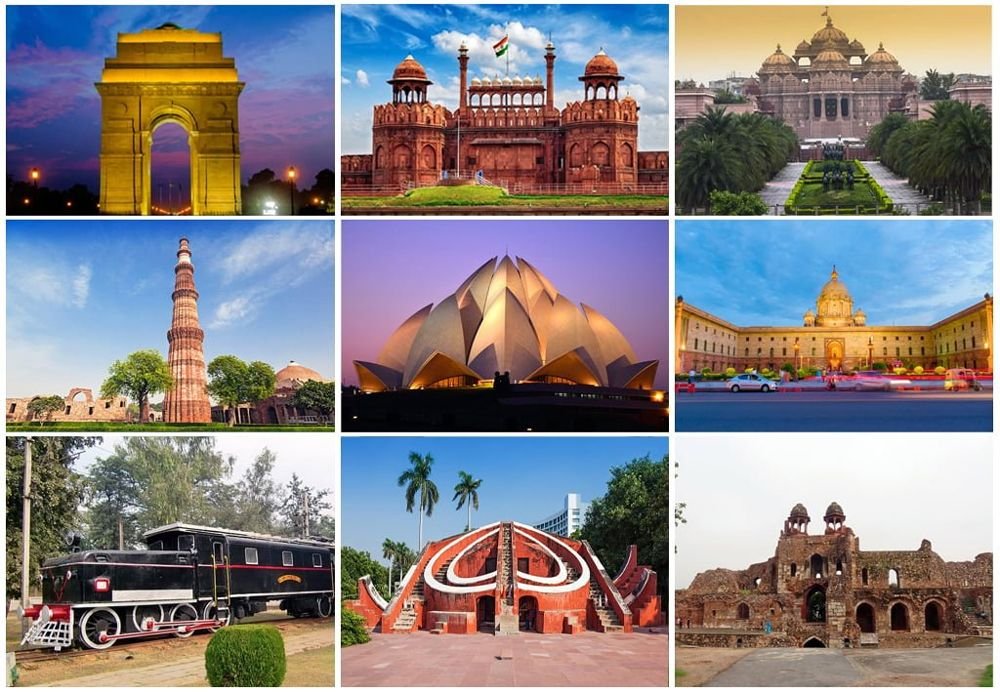
Delhi Heritage Walking Tour: 8 Best Places to Explore

Best Time to Enjoy a Delhi Heritage Walking Tour

The most comfortable months for walking around Delhi are generally October to March, when temperatures are usually more pleasant.

Winter: October to March

Winter is a popular period for exploring Delhi on foot. The cooler weather makes it easier to spend time outdoors, although mornings can sometimes be foggy or chilly.

Summer: April to June

Summer temperatures can become extremely high. If you are visiting during these months, consider an early morning walk, carry water and avoid the hottest part of the day.

Monsoon: July to September

Rain can make some streets slippery and affect outdoor sightseeing. Check the weather forecast and keep your schedule flexible.

Frequently Asked Questions About Delhi Heritage Walking Tours
1. How long does a Delhi heritage walking tour take?

A focused Old Delhi heritage walk generally takes around two to three hours. If you want to explore monuments, markets, religious sites and food stops in greater detail, allow additional time.

2. Which places should I visit during an Old Delhi walking tour?

Popular places include the Red Fort area, Jama Masjid, Chandni Chowk, Dariba Kalan, Gurudwara Sis Ganj Sahib, Gauri Shankar Temple, Fatehpuri Masjid and Khari Baoli.

3. What is the best time for a Delhi heritage walk?

October to March is generally a comfortable period for walking tours because of the cooler weather. During summer, an early morning visit is preferable.

4. Can I combine Old Delhi with other historical places in Delhi?

Yes. You can plan separate visits to Humayun's Tomb, Qutub Minar, Mehrauli Archaeological Park and Lodhi Garden to explore more of Delhi's architectural and cultural heritage.

5. Is photography allowed at Delhi's heritage sites?

Photography rules differ from one location to another. Some monuments and religious sites may restrict photography or charge separate fees. Always check the latest rules before taking photographs.

6. Is a private Delhi heritage walking tour suitable for international travellers?

Yes. A private walk can be especially useful for international visitors who want to understand India's history, local traditions, architecture and everyday culture. The route and explanations can be adapted to individual interests.
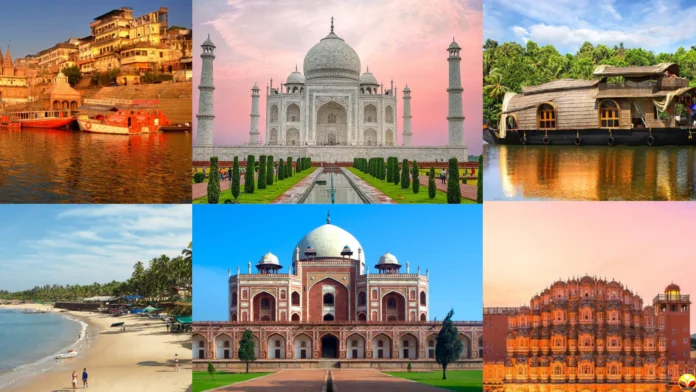
India Travel Guide for First-Time Visitors: Everything You Need to Know

Planning your first trip to India? This India travel guide will help you understand the country, choose destinations, plan your journey, experience Indian culture, travel comfortably and make the most of your time.

India is a country of extraordinary diversity. From historic forts and palaces to ancient temples, vibrant markets, peaceful Himalayan landscapes, wildlife reserves and colorful cultural traditions, every region offers something different.

For first-time visitors, India can feel exciting and overwhelming at the same time. Knowing what to expect before you arrive can make your journey much easier and more meaningful.

In this guide, you will discover practical India travel tips, the best places to visit, information about transportation, cultural etiquette, safety considerations, food, local experiences and why having a knowledgeable private guide can make a difference.

Quick India Travel Guide for First-Time Visitors

Before going into detail, here are some important things to know:

  • Capital: New Delhi
  • Currency: Indian Rupee (INR/₹)
  • Languages: Hindi and English are widely used, along with many regional languages.
  • Main transportation: Flights, trains, buses, taxis and private vehicles
  • Popular travel regions: Rajasthan, Delhi, Agra, Uttar Pradesh, Kerala, Goa, Uttarakhand, Himachal Pradesh and many others
  • Best travel season: Generally October to March for many popular northern and central destinations, although the ideal time depends on the region.
  • Major experiences: Heritage, culture, food, spirituality, wildlife, nature, festivals, architecture and local experiences
  • lagtEmergency number: 112 in India. The Ministry of Tourism also provides a tourist helpline at 1363.
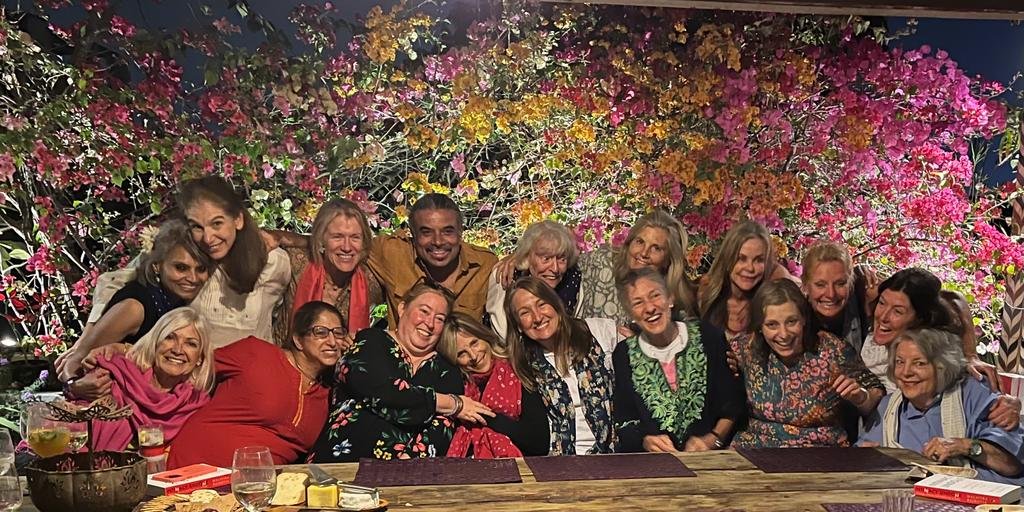
International tourists enjoying a memorable cultural tour in India with Guide For India and experienced local guide.

Why Visit India?

India is more than a collection of famous monuments. It is a place where history, living traditions, food, religion, architecture, art and everyday life come together.

A journey through India can take you from the grand Mughal architecture of Agra to the royal heritage of Rajasthan, the spiritual atmosphere of Varanasi, the landscapes of the Himalayas or the tropical beauty of southern India.

The country's official tourism platform highlights a wide range of travel interests, including heritage, spirituality, wildlife, adventure, gastronomy, arts, nature and rural experiences.

For many international travelers, the most memorable moments are not necessarily the most famous attractions. They may be conversations with local people, discovering traditional crafts, tasting regional food, walking through an old neighborhood or learning the story behind a historic building.

That is where local knowledge can add real value to your journey.

Best Places to Visit in India for First-Time Travelers

India is too large to explore in a single trip, so choosing the right destinations is important.

Delhi

Delhi is one of the best starting points for a first visit to India. It combines historic monuments, lively markets, religious sites, museums, food and modern city life.

Depending on your interests, you can explore places such as:

  • Old Delhi
  • Jama Masjid
  • Humayun's Tomb
  • Qutub Minar
  • India Gate
  • Red Fort
  • Local markets and traditional food areas
    A knowledgeable local guide can help explain the history behind these places rather than simply showing you the monuments.

Agra

Agra is famous around the world for the Taj Mahal, but there is more to the city than one monument.

The Taj Mahal, Agra Fort and other historic sites provide an opportunity to understand India's Mughal heritage and architectural history.

If you visit Agra, allow enough time to appreciate the city's history rather than treating it only as a quick photo stop.

Jaipur

Known for its royal heritage and colorful architecture, Jaipur is one of the most popular destinations in Rajasthan.

Visitors can explore:

  • Amber Fort
  • City Palace
  • Jantar Mantar
  • Hawa Mahal
  • Historic markets
  • Traditional crafts and textiles

Jaipur is particularly interesting for travelers who want to experience Rajasthan's architecture, history, culture and craftsmanship.

Jodhpur

Jodhpur, often called the Blue City, offers impressive architecture, old-city streets and spectacular views around Mehrangarh Fort.

The official tourism portal lists attractions including Mehrangarh Fort, Jaswant Thada, Mandore, Umaid Bhawan and Toorji Ka Jhalra.

A private guided walk can help first-time visitors understand the history and stories behind the city's old neighborhoods.

Udaipur

Udaipur is known for its lakes, palaces and Rajput heritage. Its setting among the Aravalli hills gives the city a very different atmosphere from the desert cities of Rajasthan.

Popular experiences include exploring historic palaces, lakeside areas, old streets, traditional art and local culture.

Varanasi

Varanasi offers a very different side of India. Its ghats, temples, spiritual traditions and historic neighborhoods make it one of the country's most distinctive destinations.

Travelers interested in spirituality, history and Indian traditions can benefit greatly from local guidance because many places and customs have deeper cultural meanings that may not be obvious to a first-time visitor.

Kerala

Kerala is known for its backwaters, tropical landscapes, cuisine, traditions and slower pace of travel.
It can be a good choice for travelers who want to combine cultural experiences with nature and relaxation.

Other Regions to Consider

Depending on your interests and available time, you can also consider:

  • Goa for beaches and coastal culture
  • Uttarakhand for spirituality and Himalayan landscapes
  • Himachal Pradesh for mountains and nature
  • Madhya Pradesh for heritage and wildlife
  • Gujarat for crafts, culture and heritage
  • West Bengal for culture and history
  • Northeast India for distinctive landscapes and communities
  • South India for temples, architecture, cuisine and cultural traditions

The official Incredible India platform provides destination information across India's regions and organizes experiences around interests such as heritage, wildlife, spirituality, gastronomy, arts, nature and adventure.

What Is the Best Time to Visit India?

There is no single best month for the whole country because India has several climatic regions.

For many popular destinations in northern India, October to March is generally a comfortable period for sightseeing. However, conditions vary considerably between regions.

For example:

  • Rajasthan can be very hot during the summer.
  • Himalayan destinations have different seasonal conditions.
  • Southern India has its own weather patterns.
  • Monsoon conditions can affect travel plans in many regions.
  • Wildlife experiences may follow seasonal schedules.

Before booking, check the weather for each destination on your route rather than relying on a general India-wide forecast.
If your trip includes several regions, your route should be planned around the climate as well as your interests.

How Many Days Do You Need in India?

The ideal length depends on what you want to experience.

  • 5–7 Days
    Suitable for focusing on one region or a short route such as Delhi, Agra and Jaipur.
  • 8–12 Days
    Gives you more time to explore a major region and experience destinations without rushing too much.
  • 2–3 Weeks
    A longer journey allows you to combine multiple destinations and include cultural, heritage, wildlife or nature experiences.
    Instead of trying to visit as many places as possible, consider spending enough time in each destination to understand its character.

A slower journey often creates more meaningful travel memories.

How to Travel Around India

India offers several transportation options.

  • Domestic Flights
    Flights are useful when traveling between distant cities. They can save considerable time on longer routes.
  • Trains
    India's railway network connects many major cities and regions. Train journeys can also be an interesting part of the travel experience.
  • Road Travel
    Cars, taxis and private vehicles can be useful when exploring multiple destinations within a region.
  • Local Transportation
    Depending on the destination, travelers may use metro systems, taxis, auto-rickshaws, buses, app-based transportation and other local options.
  • The official tourism portal identifies air, rail and road as major transportation modes for travelers in India.
  • For first-time visitors, choosing the right combination of transportation can make a significant difference to comfort and time.

India Travel Tips for First-Time Visitors

1. Don't Try to See Everything

India is huge. Trying to cover too many destinations in a short trip can make your journey tiring.

Choose a region or a logical route and explore it properly.

2. Keep Your Schedule Flexible

Indian cities can be busy, and traffic or unexpected delays can affect travel times.

Leave some flexibility between important activities.

3. Dress Respectfully

When visiting temples, religious sites and traditional communities, dress respectfully and follow local expectations.

4. Carry Essential Documents

Keep your passport, visa, travel insurance information and important bookings accessible and secure.

5. Carry Some Local Currency

Cards and digital payments are widely used in many parts of India, but having some Indian rupees can still be useful, particularly in smaller towns and local markets.

6. Drink Water Carefully

Use sealed bottled water or another reliable drinking-water source, particularly when you are unfamiliar with the local environment.

7. Learn a Few Local Words

Even simple greetings can make interactions more enjoyable.

Words such as “Namaste,” “Dhanyavaad” and “Ji” can help you connect respectfully with people.

8. Don't Be Afraid to Ask Questions

India's culture can sometimes be unfamiliar to first-time visitors. Asking a knowledgeable local guide about customs, food, clothing, religious practices or historical traditions can make your experience much richer.

Is India Safe for First-Time Travelers?

India welcomes travelers from around the world, but visitors should use normal travel precautions and check current official advice before departure.

Safety conditions can vary by location. Current foreign-government travel advice includes specific warnings for certain areas, so travelers should always check the latest advice relevant to their destination before traveling.

Some practical precautions include:

  • Keep important documents secure.
  • Be careful with valuables in crowded areas.
  • Use reputable transportation.
  • Be aware of your surroundings.
  • Follow local regulations and instructions.
  • Take extra care when traveling alone at night.
  • Purchase suitable travel insurance.
  • Keep emergency contacts available.

For emergencies in India, 112 is the national emergency number.

Must visit India travel guide for first time visitors

India travel guide for first time visitors?

India Travel Requirements for International Visitors

International travelers should check the latest entry requirements before their trip because visa and arrival procedures can change.

India's official tourism information states that foreign nationals generally need a valid passport and visa, with requirements varying according to nationality and travel purpose. Eligible travelers may use India's e-Visa system.

Current entry guidance also states that foreign nationals arriving in India must complete an e-arrival card online before reaching immigration; the e-arrival card is separate from a visa or OCI document.

Before traveling, check:

  • Passport validity
  • Visa requirements
  • Current entry forms
  • Vaccination or health
  • requirements where applicable
  • Travel insurance
  • Airline requirements
  • Current government travel advice

Do not rely on an old blog post for visa or entry information. Always verify the latest requirements through official government sources.

Why Choose a Private Guided Experience?

A private guided experience can be especially useful if you want your journey to reflect your personal interests.

For example, you may be particularly interested in:

  • Indian history
  • Architecture
  • Photography
  • Food
  • Spiritual traditions
  • Wildlife
  • Textiles and crafts
  • Museums
  • Local markets
  • Festivals
  • Art and culture

Instead of following a one-size-fits-all approach, you can discuss your interests with your guide and focus your sightseeing around the experiences that matter most to you.

How to Choose the Right Private Tour Guide in India

Before choosing a guide, consider:

  • Experience
    Look for someone with strong destination knowledge and relevant guiding experience.
  • Local Knowledge
    A good guide should understand more than basic facts. They should be able to explain local history, culture, traditions and everyday life.
  • Communication
    Choose someone who communicates clearly and understands your interests.
  • Reviews
    Read genuine traveler feedback and look for consistent comments about knowledge, professionalism and overall experience.
  • Flexibility
    Your guide should be able to understand your interests and adapt the experience where appropriate.
  • Authenticity
    Look for someone who can help you experience the destination respectfully and meaningfully rather than simply moving from one attraction to another.

Final Travel Reminder

Travel information, visa rules, entry procedures, health requirements and regional safety conditions can cFinal Travel Reminderhange. Always verify current requirements with official government and tourism sources before departure.

Best Private Tour Guide in India: How to Choose the Right Expert for an Unforgettable Journey

Best Private Tour Guide in India: How to Choose the Right Expert for an Unforgettable Journey

Best Private Tour Guide in India

The Best Private Tour Guide in India can transform an ordinary vacation into an unforgettable travel experience. India is a country that surprises travelers at every turn. From the majestic forts of Rajasthan and the timeless beauty of the Taj Mahal to the peaceful backwaters of Kerala and the spiritual atmosphere of Varanasi, every region offers its own unique history, culture, and charm.

For many international visitors, planning such a diverse journey can feel overwhelming. Different languages, local customs, transportation systems, and countless travel options often make it difficult to know where to begin. That's why many travelers choose to explore the country with the support of a private tour guide in India who understands the destination inside and out.

A knowledgeable guide offers much more than historical facts and sightseeing. They help you experience authentic local traditions, discover hidden gems beyond the typical tourist trail, avoid common travel challenges, and enjoy a smooth, personalized journey that reflects your interests. Whether you're visiting India for the first time or returning to explore new destinations, having an experienced guide by your side makes every moment more meaningful, comfortable, and memorable.

Why Choose a Private Tour Guide in India?

Independent travel certainly has its advantages, but having a dedicated local expert by your side can completely transform your experience.

A private guide allows you to travel at your own pace without being restricted by fixed group schedules or crowded tour buses. Your itinerary can be adjusted according to your interests, travel style, and available time.

Whether you enjoy history, architecture, food, wildlife, photography, spirituality, or luxury travel experiences, a private guide can create a journey that reflects your personal interests.

Some of the advantages include:

  • Flexible travel schedules
  • Personalized sightseeing experiences
  • Local cultural knowledge
  • Assistance with language barriers
  • Better understanding of history and traditions
  • Access to authentic local experiences
  • Safer and more comfortable travel arrangements
  • Efficient transportation planning

What Makes the Best Private Tour Guide in India?

What Makes the Best Private Tour Guide in India?

Choosing the Best Private Tour Guide in India is one of the most important decisions when planning your journey. While many guides offer sightseeing services, the best guides provide local expertise, personalized recommendations, and memorable experiences that go beyond traditional tourism. Here are the qualities every international traveler should look for before selecting a guide.

Local Knowledge and Cultural Expertise

The Best Private Tour Guide in India has an in-depth understanding of the country's history, architecture, traditions, religions, and diverse cultures. Instead of simply sharing facts, they bring every destination to life with engaging stories and authentic local insights.

Experienced guides also introduce travelers to hidden gems, local markets, traditional cuisine, and off-the-beaten-path attractions that many visitors never discover on their own.

Licensed and Professional Tour Guide

When hiring a private tour guide in India, it's always advisable to choose someone who is licensed or government-approved whenever applicable. Professional guides follow ethical tourism practices, maintain high service standards, and provide travelers with added confidence throughout their journey.

Their experience and credentials help ensure your trip is well-organized, informative, and enjoyable.

Excellent Communication Skills

Communication plays a vital role in creating an exceptional travel experience. An experienced English-speaking guide explains India's fascinating history, cultural traditions, and local customs in a clear and engaging way, making every destination easier to understand and appreciate.

Good communication also helps international travelers feel comfortable, ask questions freely, and enjoy a stress-free journey.

Personalized Travel Planning

No two travelers explore India in the same way. Some visitors dream of luxury holidays, while others are interested in heritage tours, wildlife safaris, photography, food experiences, spiritual retreats, or family vacations.

The Best Private Tour Guide in India takes time to understand your travel style, interests, schedule, and budget before creating a personalized itinerary that matches your expectations. This customized approach ensures every journey is unique, comfortable, and filled with unforgettable memories.

Popular Private Tour Experiences in India

Private guides can help travelers explore almost every corner of India.

Some of the most popular experiences include:

  • Golden Triangle Tours
    Discover Delhi, Agra, and Jaipur while exploring some of India's most iconic landmarks.
  • Rajasthan Heritage Tours
    Explore royal palaces, desert cities, colorful markets, and magnificent forts.
  • Kerala Cultural Journeys
    Experience backwaters, tea plantations, Ayurveda traditions, and coastal villages.
  • Wildlife Safaris
    Visit national parks famous for Bengal tigers, elephants, rhinoceros, and birdlife.
  • Spiritual Tours
    Explore sacred destinations such as Varanasi, Rishikesh, Bodh Gaya, and Amritsar.
  • Luxury India Tours
    Stay in heritage hotels, palace properties, and premium resorts while enjoying personalized experiences.

Why International Travelers Prefer Private Tours

Travelers from the United States, United Kingdom, Australia, France, Spain, Singapore, New Zealand, and Canada increasingly prefer private guided tours over large group packages.

Private tours offer:

  • Greater flexibility
  • Personalized attention
  • Comfortable pacing
  • Better cultural understanding
  • More authentic experiences
  • Privacy for families and couples
  • Customized travel routes
  • Improved travel convenience

For many visitors, these advantages create memories that last a lifetime.